
On this page, we present the invited and confirmed speakers for the DGHM Congress. Look forward to renowned experts who will present the latest findings, innovative research, and practical insights from microbiology and hygiene. Discover the diverse program and the people behind it.
List of confirmed speakers
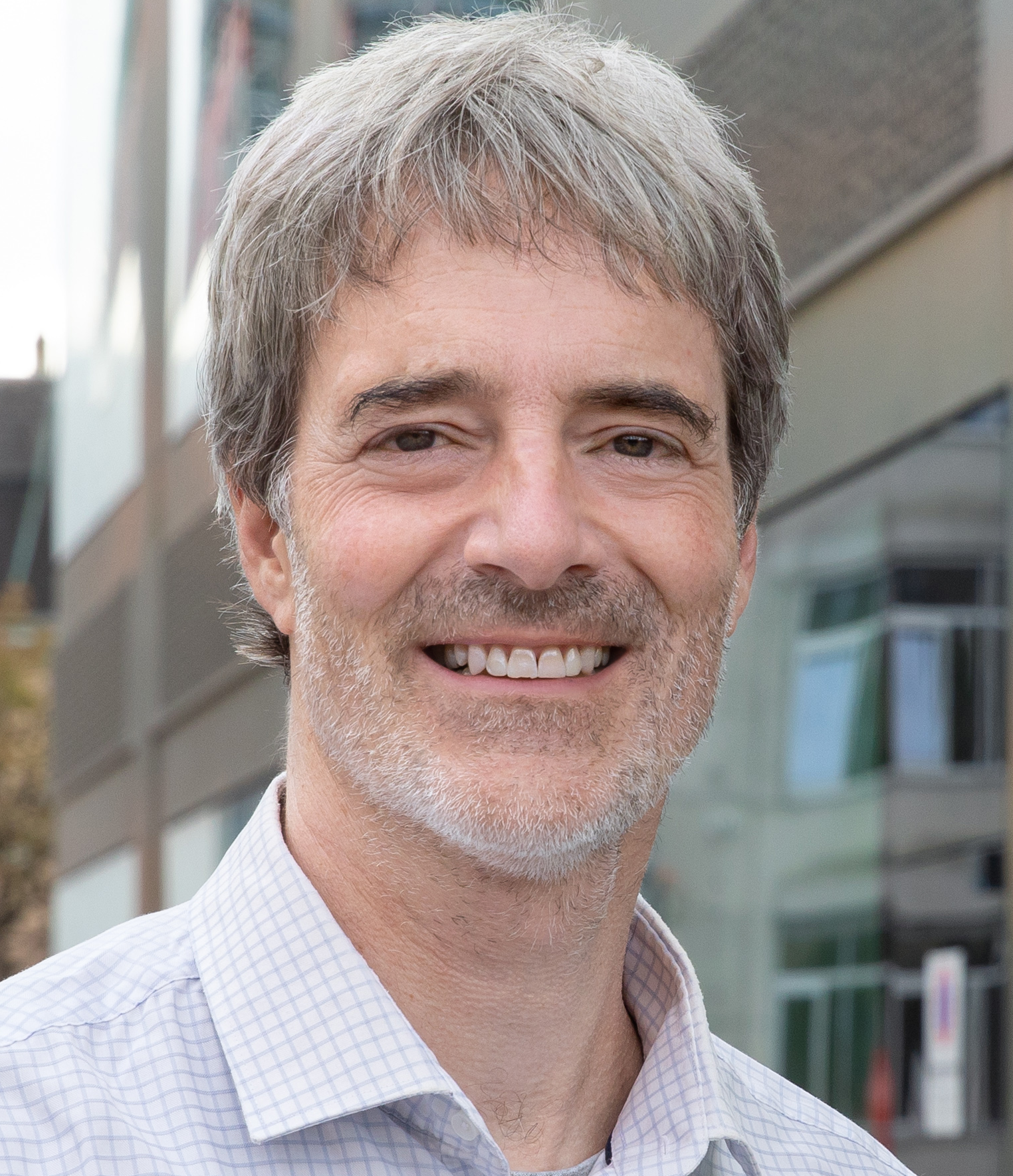
Dirk Bumann is Professor of Infection Biology at the University of Basel's Biozentrum. His group researches bacterial infections in patients and mouse models – in particular, where bacteria are found in tissue, how they adapt there, and why antibiotics often work less effectively in tissue than under laboratory conditions.
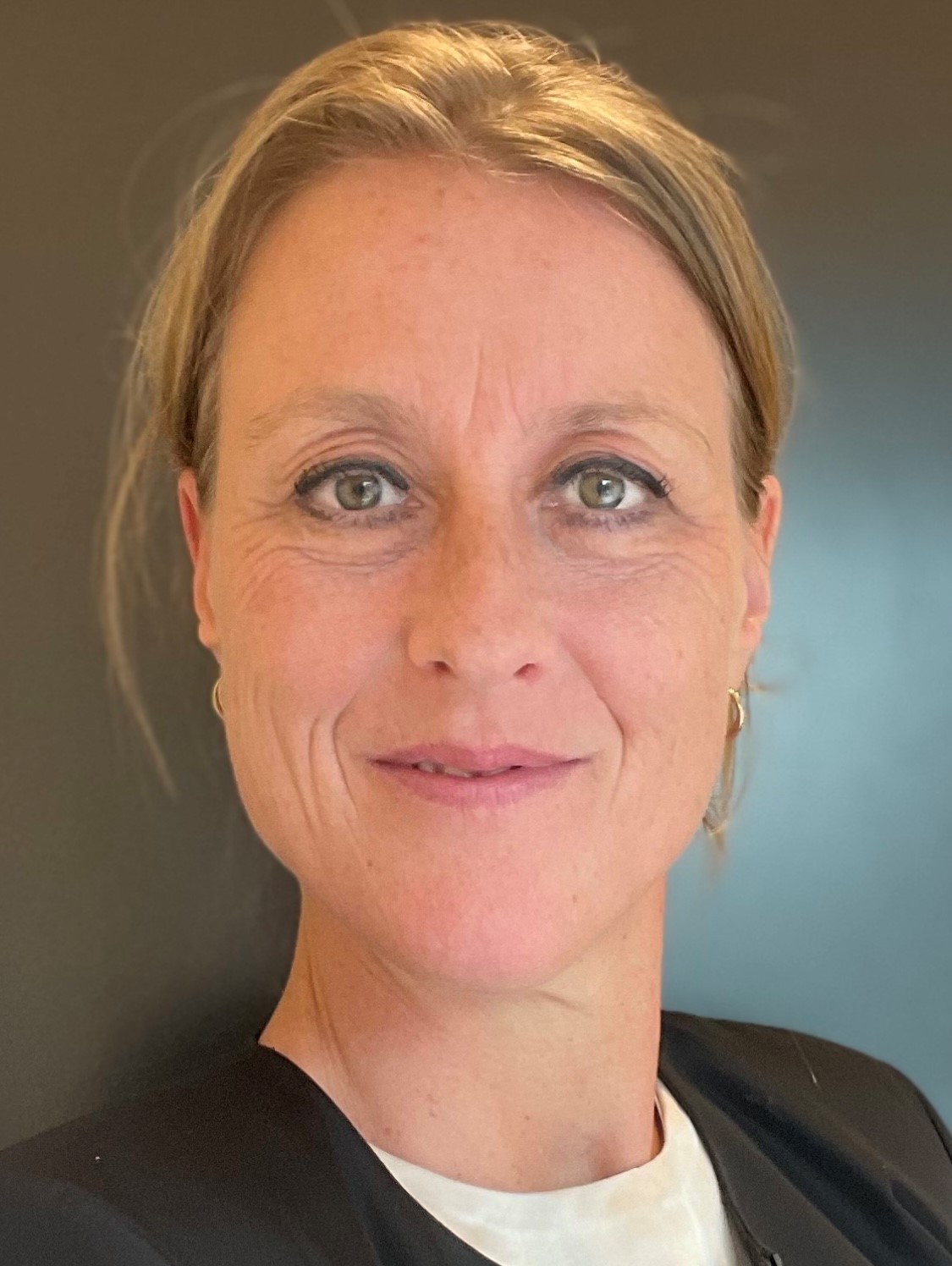
Jutte de Vries is an Associate Professor in Clinical Virology at the Leiden University Center for Infectious Diseases (LUCID), the Netherlands. She leads a research group focusing on Clinical Viral Metagenomics and related fields, including viral genomics, intra-host evolution, virus–host transcriptomics, and virus discovery, contributing to epidemic and pandemic preparedness. Her team’s mission is to improve pathogen identification and characterization through innovative metagenomic sequencing methods to benefit clinical care and strengthen public health surveillance, with the goal of fostering globally resilient health systems. She is co-founder and chair of the ESCV Network on Next-Generation Sequencing (ENNGS) (https://www.escv.eu/enngs/). She has been instrumental in the design and leadership of multiple collaborative projects involving members from over 15 European countries, focusing on the application of viral metagenomics in diagnostics and the development of international guidelines in this field. She is past chair of the Dutch Working Group on Clinical Virology (NWKV), and serves on the executive board of the Netherlands Centre for One Health (NCOH). Jutte J.C. de Vries (0000-0003-2530-6260) - ORCID
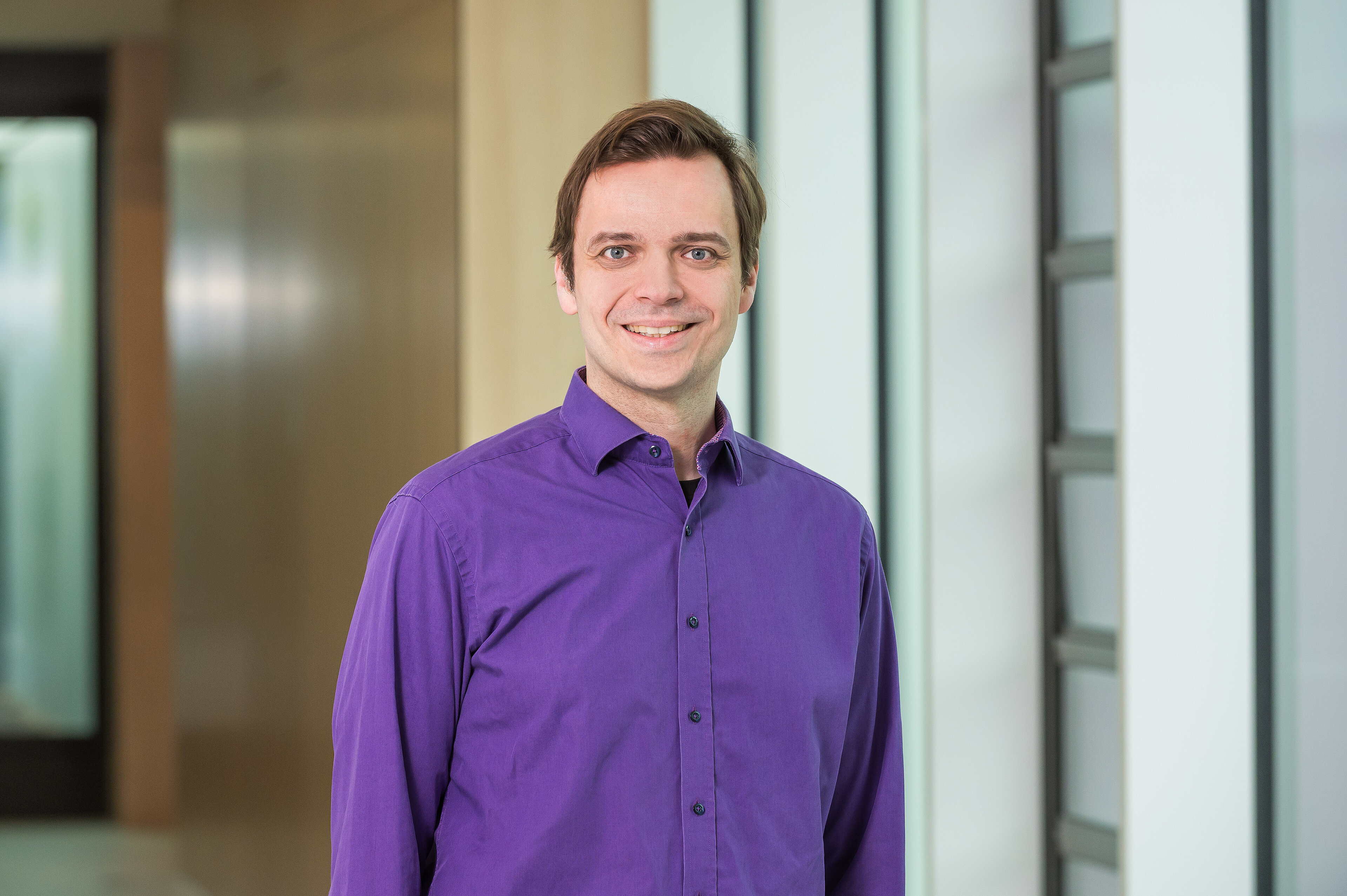
André Karch is a physician and epidemiologist. He currently holds the Chair of Clinical Epidemiology at the University of Münster. His research focuses on the development and application of innovative epidemiological methods for research questions in the fields of infectious disease epidemiology and clinical epidemiology. This includes specifically dynamic mathematical transmission models as well as modern causal inference approaches. He is the president of the German Society for Epidemiology and the founding director of the Interdisciplinary Center for Mathematical Modeling of Infectious Disease Dynamics (IMMIDD) at the University of Münster.
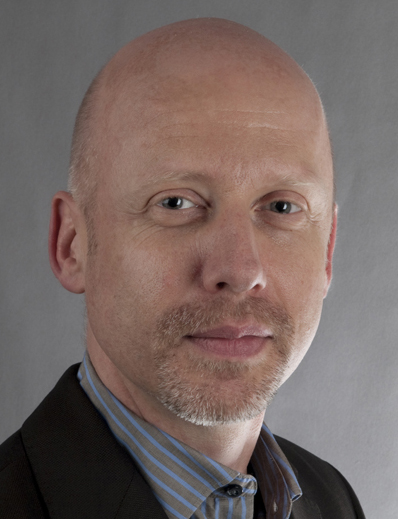
Stefan Linder is Professor of Cellular Microbiology at the University Medical Center Hamburg-Eppendorf, where he researches molecular and cellular mechanisms of cell adhesion, migration, and phagocytosis. His research group is particularly interested in the dynamics of the cytoskeleton and membranes during the uptake and intracellular processing of Borrelia burgdorferi and Candida spp. by primary human macrophages.
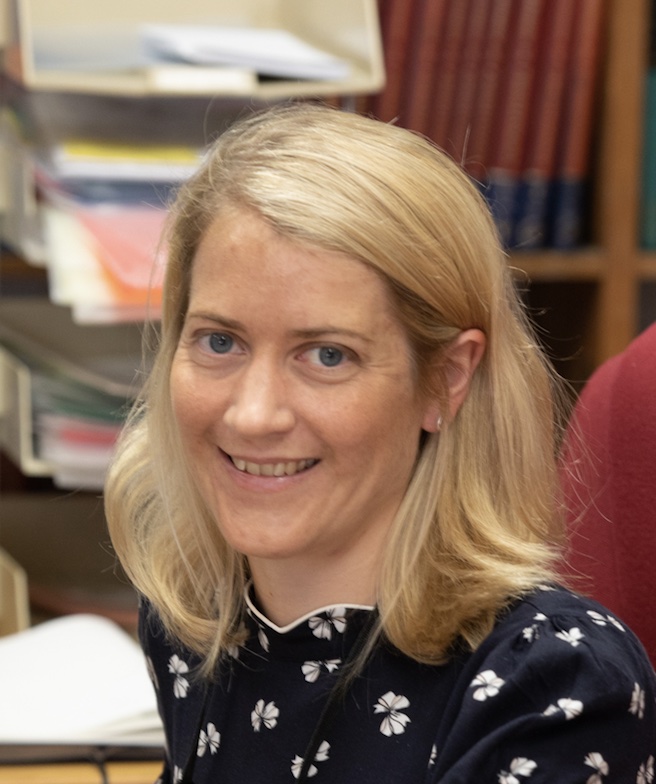
Naomi McGovern is a Principal Investigator at the Department of Pathology and Loke Centre for Trophoblast Research at the University of Cambridge. Her research focuses on the specialized properties of macrophages at the maternal–fetal interface, with a focus on how these cells respond to infection. Her group investigates immune defense mechanisms against Listeria monocytogenes and human cytomegalovirus, aiming to elucidate how the timing and progression of these infections shape disease outcomes.Naomi is a Principal Investigator at the Department of Pathology and Loke Centre for Trophoblast Research at the University of Cambridge. Her research focuses on the specialized properties of macrophages at the maternal–fetal interface, with a focus on how these cells respond to infection. Her group investigates immune defense mechanisms against Listeria monocytogenes and human cytomegalovirus, aiming to elucidate how the timing and progression of these infections shape disease outcomes.
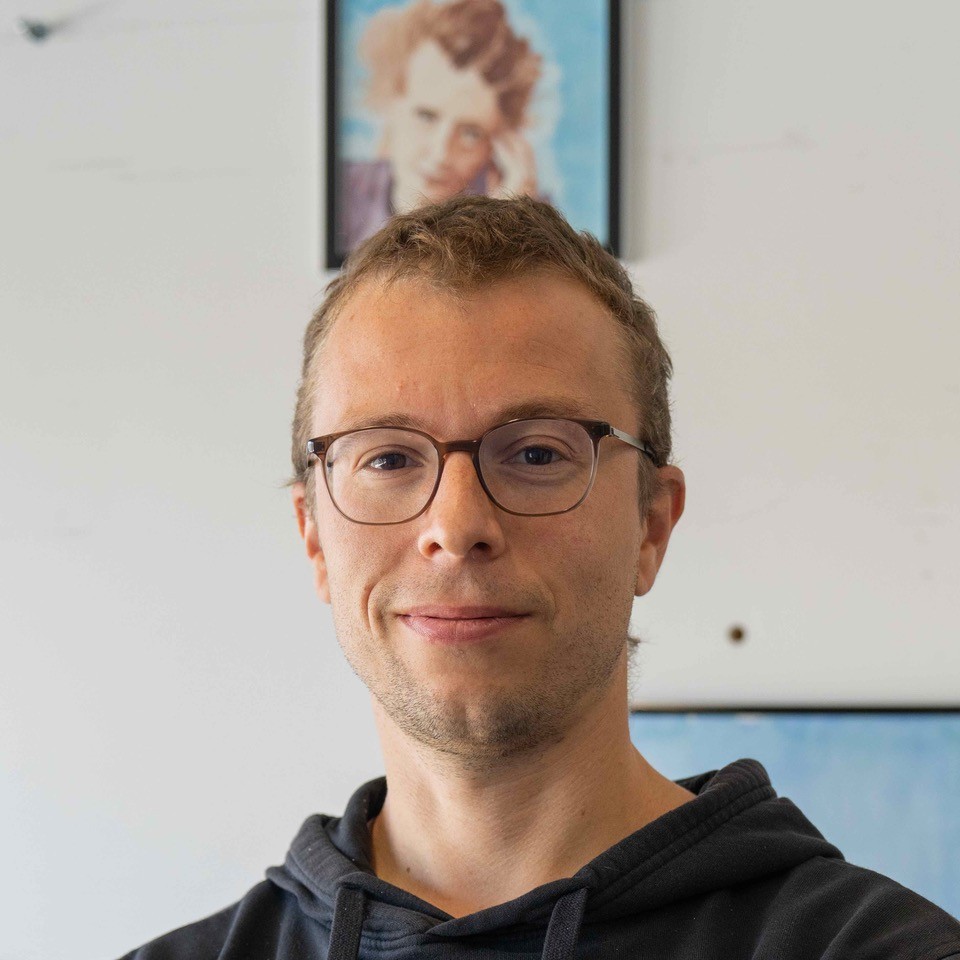
Alexandre Persat is a scientist and engineer whose work sits at the interface of physics, microbiology, and medicine. He leads a research laboratory at EPFL focused on the mechanobiology of infections — studying how physical forces, material properties, and spatial constraints shape bacterial behavior, host responses, and antibiotic resistance. His research combines microfluidics, biophysics, organoid infection models, and functional genomics to uncover non-classical determinants of pathogenicity, particularly in organisms such as Pseudomonas aeruginosa. Trained with a strong engineering background and operating in a highly interdisciplinary space, he develops experimental and computational tools to reveal how microbes interact with tissues as physical systems, not only biochemical ones. Beyond research, he is actively involved in teaching bioengineering and biomaterials, mentoring trainees, organizing scientific initiatives, and exploring translational paths including antimicrobial and anti-biofilm technologies. His work aims to bridge fundamental physics with clinical relevance, advancing both our understanding of infection biology and the development of new therapeutic strategies.
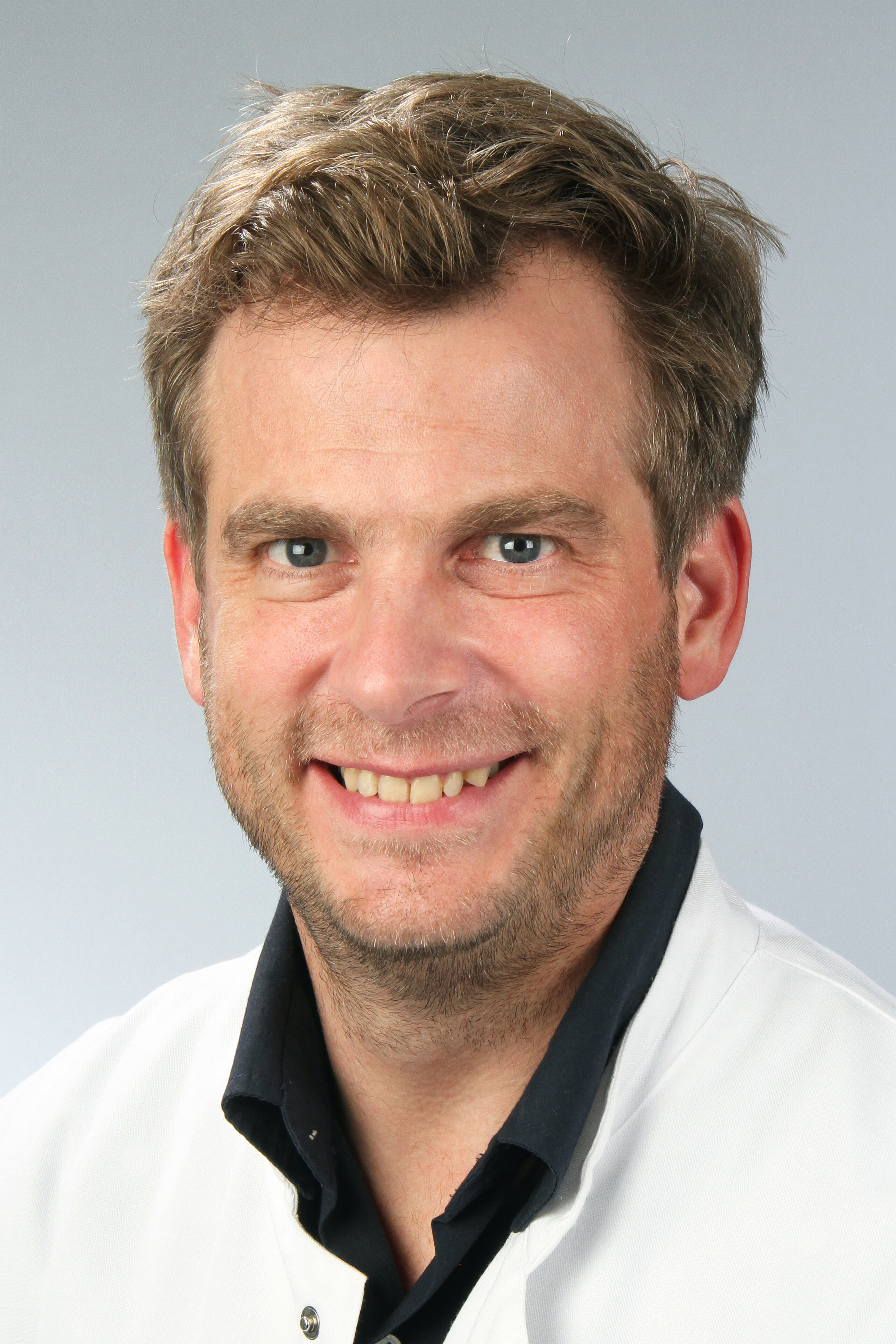
Prof. Dr. med. Holger Rohde is a senior registrar, W2 Professor of Molecular Medical Microbiology and head of a research group at the University Medical Centre Hamburg-Eppendorf. Following his medical studies (1992–1999), he obtained his PhD in 2001 at the Institute of Medical Microbiology, Virology and Hygiene. In 2007, he obtained his specialist qualification in Medical Microbiology. He became head of a research group in 2005, a senior registrar in 2010, deputy director of the institute in 2017, and was appointed W2 Professor of Molecular Medical Microbiology in 2019.
Prof. Rohde’s research focuses on the molecular pathogenesis of implant- and biofilm-associated infections, particularly those caused by Staphylococcus epidermidis. His work addresses bacterial adhesion, biofilm formation, antimicrobial resistance and host-pathogen interactions in medical implant infections. The aim of his research is to develop new diagnostic and therapeutic strategies for the prevention and treatment of chronic implant-associated infections.
Prof. Rohde is also actively involved in national and international professional societies, particularly in the field of antimicrobial resistance. Since 2023, he has been Director of the ESCMID AMR Action Subcommittee and was appointed to the ‘Off-Label’ expert panel of the Federal Institute for Drugs and Medical Devices (BfArM) in 2025.
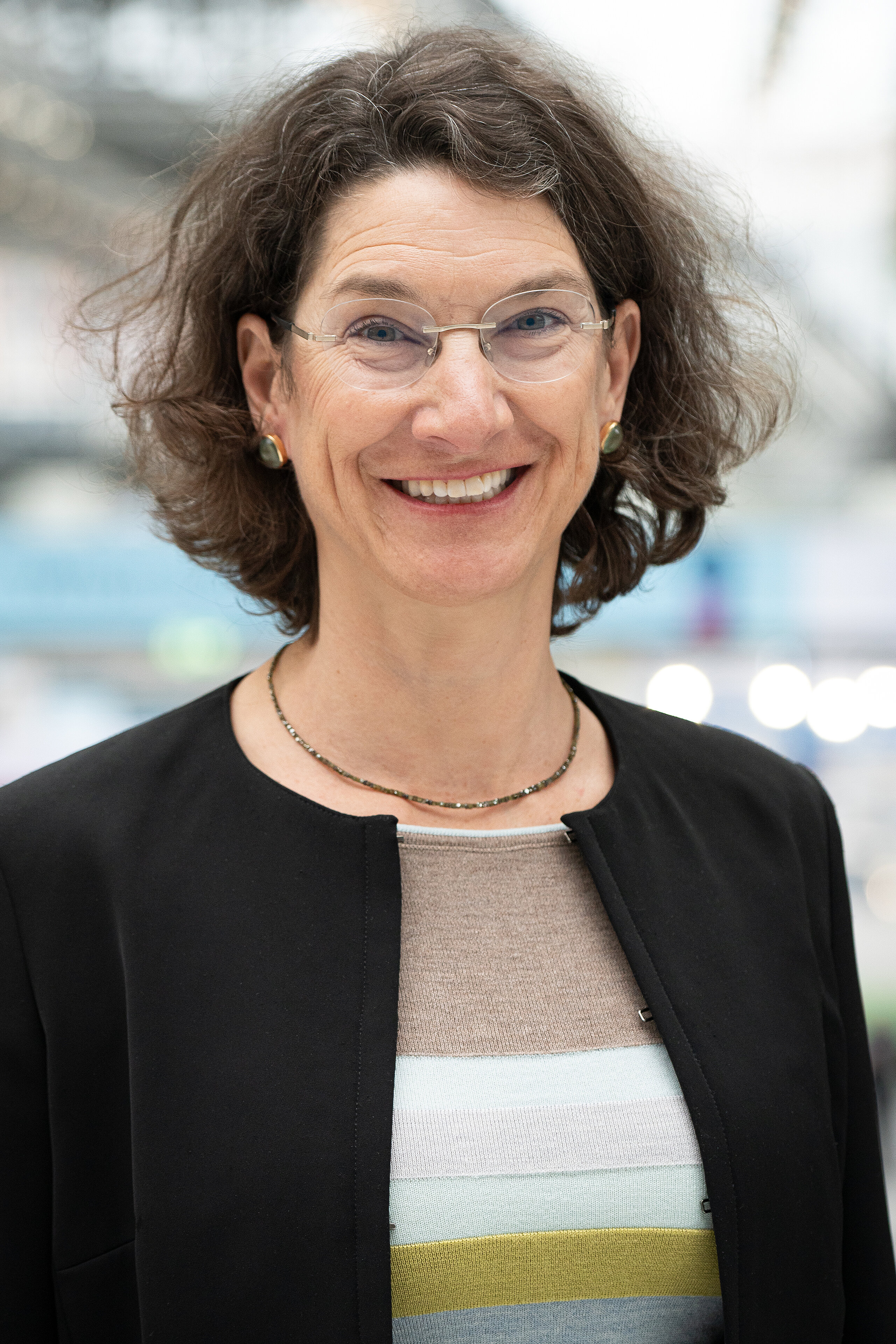
Annelies Zinkernagel is the professor and director of Infectious Diseases and Hospital Hygiene department at the University Hospital Zurich, University of Zurich, Switzerland. She is a practicing physician scientist specialised in infectious diseases and experimental microbiology, combining both worlds to further improve patient care and guide research interests. In addition to her interests in research and clinics, Annelies Zinkernagel places a large focus promoting the next generation of physicians and scientists.
Together with her group, she has set up a unique translational approach of assessing how bacteria behave in patients in contrast to their characteristics in the rich bacterial which is typically used to characterize bacterial growth behaviours and antibiotic susceptibilities. This approach has clearly shown that environmental stress factors such as low pH and antibiotic pressure can trigger bacteria to enter dormant states and become persister cells. Populations of these bacteria have been demonstrated both in vitro and in vivo and show high antibiotic tolerance. These populations reveal why antibiotic treatment alone is often insufficient and results in relapses and chronic infections which cause a substantial disease burden.
It is thanks to the optimisation of these advanced techniques that characteristics of persister cells could be underlined, making a leap forward in persister research.
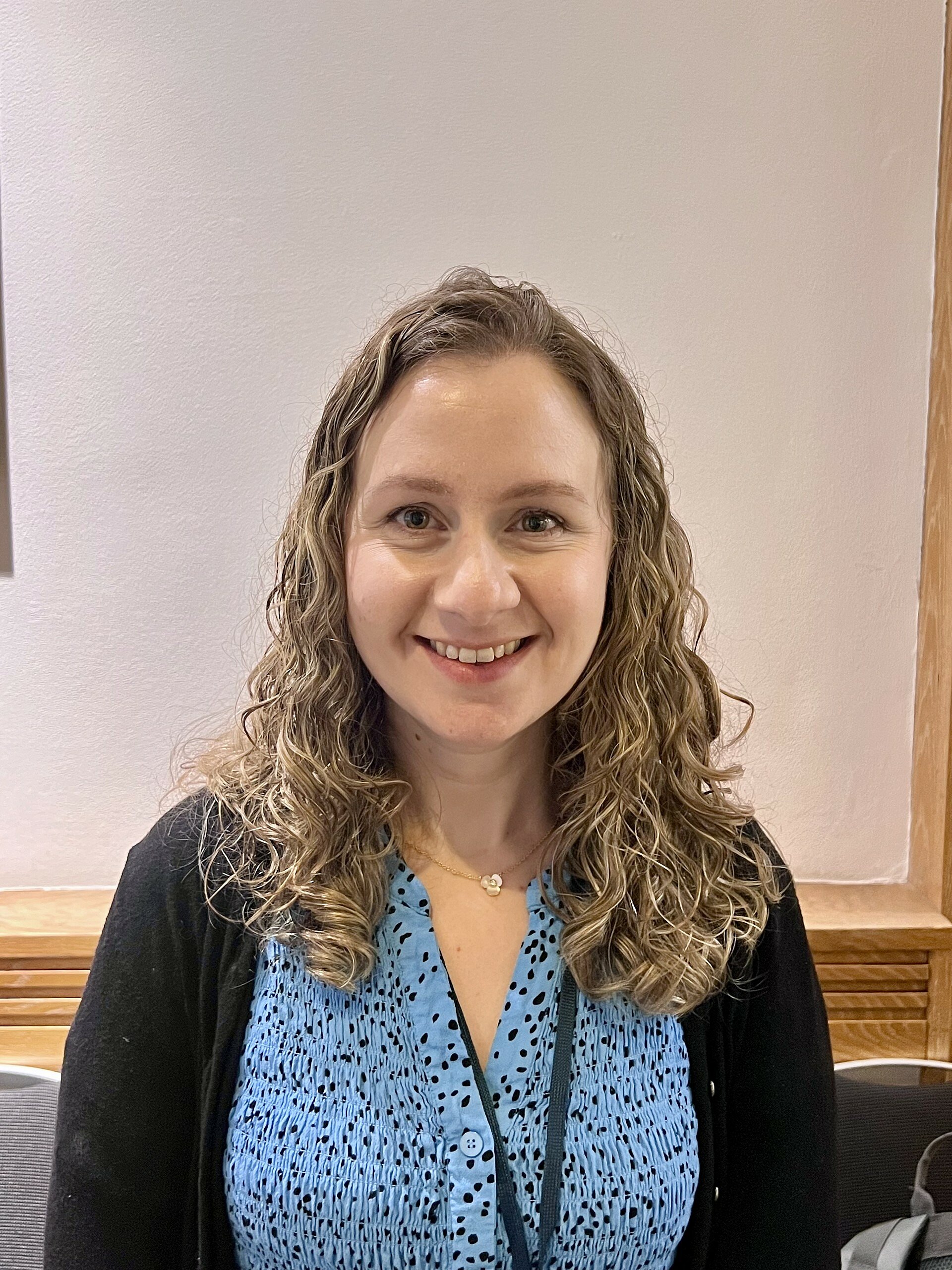
Kate Marks is a Clinical Lecturer in Histopathology at the University of Leeds. She is part of the Optimisticc Consortium, a Cancer Grand Challenge investigating the microbiome and colorectal cancer. The work has focused particularly on the role of the microbiome in screening for colorectal cancer. Her other research interest is in the development of very early colorectal lesions and the role of the microbiome in their promotion and development.
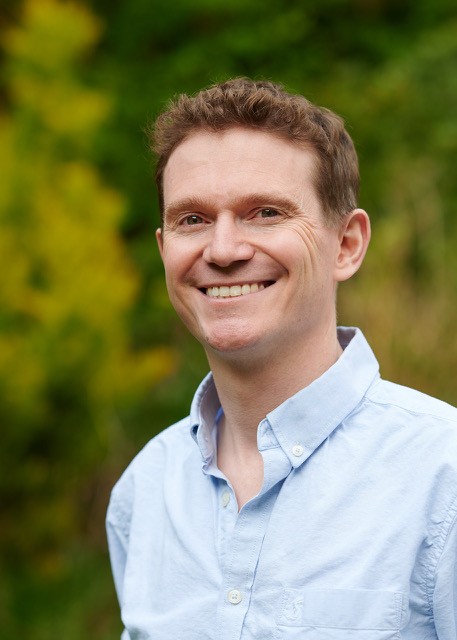
David Eyre is a Professor of Infectious Diseases at the University of Oxford and a Consultant in Infection at Oxford University Hospitals. His research uses routinely collected data to understand who gets different infections and why, and how best to prevent, treat and monitor these infections. He also focuses on developing artificial intelligence tools to help diagnose and treat hospital patients, and to help operational delivery of healthcare. His other research interests include the use of whole-genome sequencing as a tool for understanding the epidemiology and transmission of pathogens and how it can best be used in infection prevention and control.
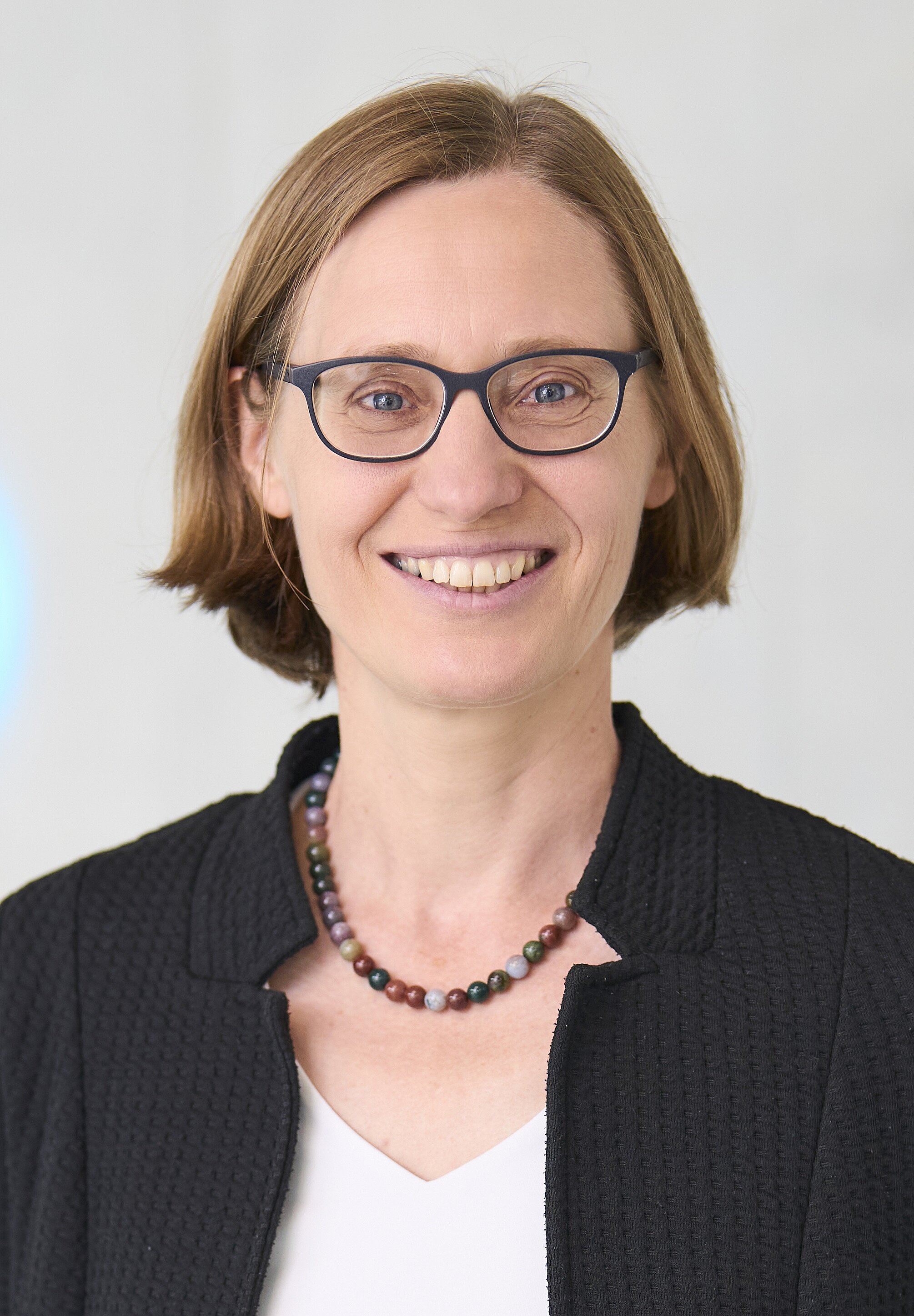
Prof. Petra S. Dittrich is Professor for Bioanalytics at the Department of Biosystems Science and Engineering, ETH Zürich. She develops microfluidic devices for bioanalytical, biomedical and diagnostic applications. This interdisciplinary research field combines chemical, physical, biological and engineering aspects of microfluidics-based technology.
Prof. Dittrich studied Chemistry at Bielefeld University (Germany) and Universidad de Salamanca (Spain) from 1993 to 1999 and received her PhD degree at the Max Planck-Institute for Biophysical Chemistry (MPI Göttingen, Germany) in 2003. After a year as postdoctoral fellow at the MPI Göttingen, she was postdoc at the Institute for Analytical Sciences (ISAS Dortmund, Germany). From 2008-2014, she was Assistant Professor at the Department of Chemistry and Applied Biosciences (ETH Zurich), and afterwards, Associate Professor in the Department of Biosystems Science and Engineering (ETH Zurich). For research stays, she visited the Cornell University (Ithaca, USA, in 2002) and the University of Tokyo (Japan, in 2005). She received the Starting Grant from the European Research Council (ERC, from 2008-2014) as well as the ERC Consolidator Grant (2016-2021).